
Share Dr. John Letcher's obituary with others.
Invite friends and family to read the obituary and add memories.
Stay updated
We'll notify you when service details or new memories are added.
You're now following this obituary
We'll email you when there are updates.
Select your format and elements to print

IN LOVING MEMORY OF Dr. John Letcher
John
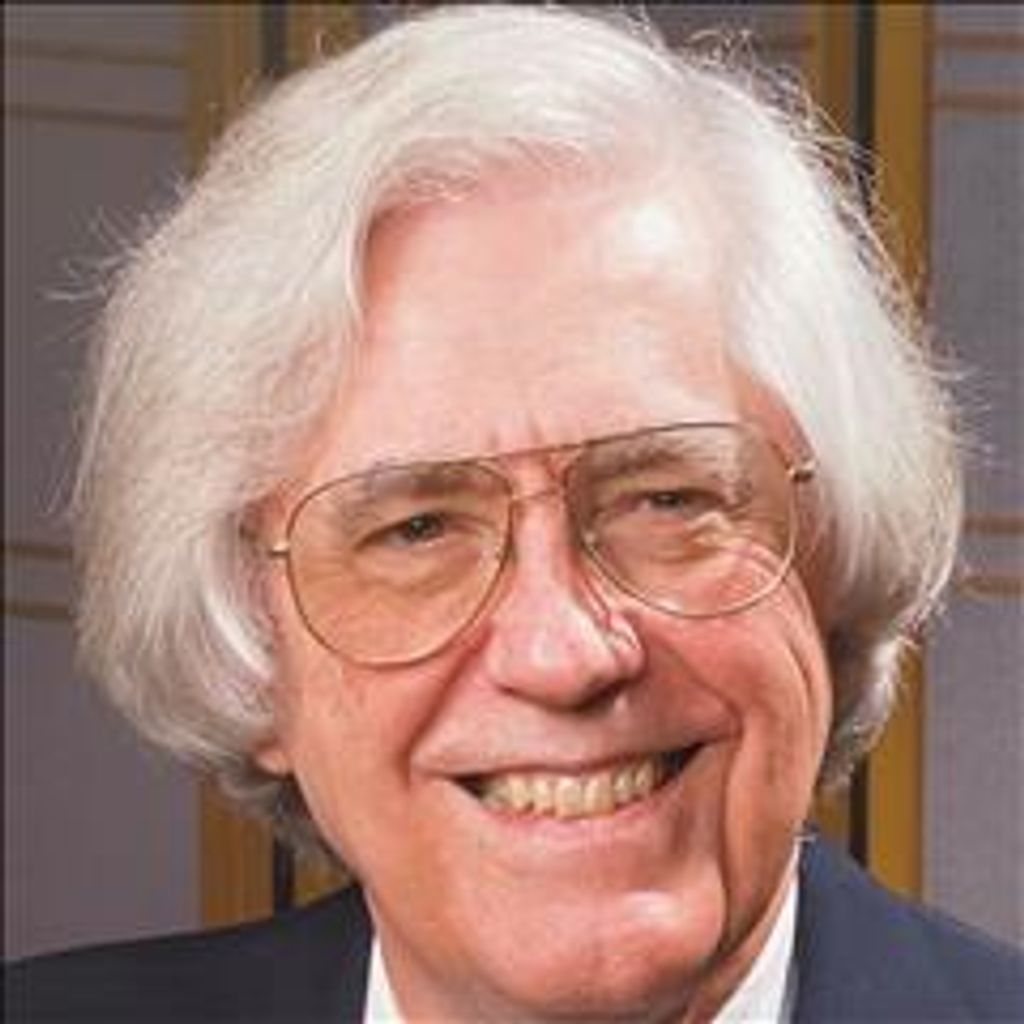
Letcher
Jul 18, 1936 — Feb 9, 2023
Dr. John Letcher's Obituary
John Henry Letcher III was born July 18th, 1936 to Charles and Isabelle Letcher in Wilkes-Barre, Pennsylvania, the second of four sons. He spent his early years in Miami, OK.
The Letcher home was, by Isabelle's account, a chaotic fraternity. Her boys competed for attention, for food, and even for silverware. One specific knife contained an extra piece of metal in the handle. When shaken, the knife jingled. Among the Letcher boys, this particular knife was the highest prize at the dinner table. Whoever was lucky enough to possess the jingle knife would do the one thing guaranteed to make sure no one else wanted it: he would lick it. Many years later, John inherited the family silver, and he found the jingle knife. He had it wrapped as a gift and given to his older brother Scott for Christmas.
John and his brothers spent their days riding bikes, playing outdoors, and reading voraciously. It was a stable childhood, but by his sophomore year of high school, John was too advanced for the public school system. He transferred to Saint Mark's in Dallas, where he skipped a grade and entered the senior class, graduating shortly before his 17th birthday.
He was accepted to Haverford college, and attended for two years, but began experiencing debilitating headaches. In order to get proper medical attention and be closer to family, he transferred to the University of Tulsa. After a series of tests, he found a medication that treated his headaches, and he graduated from TU in 1957 with a bachelor's degree in zoology.
He chose zoology because his father insisted that he become a physician, but John did not feel called to that profession. He declined to go to medical school, and in return, his father declined to support any further education. Undaunted, he took a job as a bartender at a local country club. During the interview, he was asked about his education, and he explained that he had a bachelor's degree. The club manager assumed John was over the age of 21. After a brief period, the club discovered he was only twenty, and he was let go. John proudly shared this story as the only time he was ever fired. He worked other odd jobs and applied for aid, graduating one year later with a second bachelor's degree, this one in physics. He then applied for a Master's and Ph.D. program in physics at the University of Missouri and was accepted with a full scholarship.
Because he was a graduate student, John had permission to park a car on campus. Soon his roommate talked him into going on a double date, with the stipulation that John would drive. John was reluctant to go, so he crafted a list of nearly superhuman traits that his prospective partner must have. Among the qualifications, she must be pursuing a degree in a scientific field, she must be very attractive, and from a good family. She must be charming and articulate, but not pushy. John agreed to go on a date, confident that no one could meet his standards, and in walked Mary Martin Taylor. They were married from 1960 until her death in 2012.
It's very difficult to talk about John without mentioning Martin. She wasn't just his wife; she was his business partner, his confidant, and his best friend. He and Martin kept a collection of photos on the wall of their Tulsa bedroom. Photos of themselves as children, their own children, and grandchildren over the years. On the very last day of his life, he commented that the photo of his wife, radiant and smiling in her wedding dress, was his favorite photo on the wall.
With a growing family and a freshly minted Ph.D., John took a position first at McDonnell Douglas and then at Monsanto. While he made several lifelong friends, he wasn't cut out for a career in a traditional office. In 1970, he founded Synergistic Consultants, and purchased a small airplane to service clients all over the country, and to fly his family to fun destinations.
An avid learner, he continued his education by taking post-graduate studies all over the world, including at the University of Uppsala in Sweden and at Harvard Medical School. He did early work with magnetic resonance imaging (MRI) in the 1980s and held several patents.
By the 1980s, the computer consulting business was changing, and John turned his love of learning into a full professor position at the University of Tulsa, where he taught computer science until his retirement in 1999. He took great joy in mentoring his students. Even years later, he kept in contact with many students and celebrated their successes.
John believed in giving back. He recently donated a gift to establish the Letcher Brothers Scholarship fund at Saint Marks School of Texas. He made an even larger donation to the University of Missouri, establishing the "John H Letcher Graduate Student Scholarship in Physics."
John had a lifelong love of music. He supported the local arts, especially Chamber Music Tulsa. Retirement allowed him to play the viola with a string quartet. He was devoted to the group and had special lights installed in his dining room so that they could practice in his home.
Over the years, John and Martin hosted many dinners with friends and family. They cultivated friendships all over the world, but John seemed happiest when he could share a meal with his brothers and their families. Martin would add both the leaves to the dining room table and put the kitchen table at the end, so everyone could sit together. This made a sixteen-foot-long table, with John sitting at one end, basically in the hallway. He loved it.
When Martin was diagnosed with cancer, John made the most of every day they had together. They cruised and partied and laughed and loved, returning from a trip to Hawaii just a month before she passed away.
John took on many roles in his life - scientist, entrepreneur, philanthropist, musician, and mentor, but his most cherished roles were within his family. He was a devoted husband to his wife. He loved his sons Charles W Letcher II, and John Henry Letcher IV, and he took great joy in his grandchildren Stefani, Wes, Jarina, and Sean.
While John described himself as a man of science and academia, he happily attended Saint John's Episcopal church occasionally with his wife. He possessed a strong sense of morality that guided his choices, along with his intellect. He looked for answers in scientific journals and in conversations with his friends and family. He saw the universe as an incredibly beautiful system, unfolding in front of us, and he attempted to add to the knowledge of its workings. If you would like to learn more about his thoughts on the subject, you can read his document "My Universe" on his website, johnletcher.com < http://johnletcher.com/ >.
John was preceded in death by his brother Frank Scott Letcher. He is survived by his brothers Charles Scott Letcher and William Frederick Letcher.
The Letcher home was, by Isabelle's account, a chaotic fraternity. Her boys competed for attention, for food, and even for silverware. One specific knife contained an extra piece of metal in the handle. When shaken, the knife jingled. Among the Letcher boys, this particular knife was the highest prize at the dinner table. Whoever was lucky enough to possess the jingle knife would do the one thing guaranteed to make sure no one else wanted it: he would lick it. Many years later, John inherited the family silver, and he found the jingle knife. He had it wrapped as a gift and given to his older brother Scott for Christmas.
John and his brothers spent their days riding bikes, playing outdoors, and reading voraciously. It was a stable childhood, but by his sophomore year of high school, John was too advanced for the public school system. He transferred to Saint Mark's in Dallas, where he skipped a grade and entered the senior class, graduating shortly before his 17th birthday.
He was accepted to Haverford college, and attended for two years, but began experiencing debilitating headaches. In order to get proper medical attention and be closer to family, he transferred to the University of Tulsa. After a series of tests, he found a medication that treated his headaches, and he graduated from TU in 1957 with a bachelor's degree in zoology.
He chose zoology because his father insisted that he become a physician, but John did not feel called to that profession. He declined to go to medical school, and in return, his father declined to support any further education. Undaunted, he took a job as a bartender at a local country club. During the interview, he was asked about his education, and he explained that he had a bachelor's degree. The club manager assumed John was over the age of 21. After a brief period, the club discovered he was only twenty, and he was let go. John proudly shared this story as the only time he was ever fired. He worked other odd jobs and applied for aid, graduating one year later with a second bachelor's degree, this one in physics. He then applied for a Master's and Ph.D. program in physics at the University of Missouri and was accepted with a full scholarship.
Because he was a graduate student, John had permission to park a car on campus. Soon his roommate talked him into going on a double date, with the stipulation that John would drive. John was reluctant to go, so he crafted a list of nearly superhuman traits that his prospective partner must have. Among the qualifications, she must be pursuing a degree in a scientific field, she must be very attractive, and from a good family. She must be charming and articulate, but not pushy. John agreed to go on a date, confident that no one could meet his standards, and in walked Mary Martin Taylor. They were married from 1960 until her death in 2012.
It's very difficult to talk about John without mentioning Martin. She wasn't just his wife; she was his business partner, his confidant, and his best friend. He and Martin kept a collection of photos on the wall of their Tulsa bedroom. Photos of themselves as children, their own children, and grandchildren over the years. On the very last day of his life, he commented that the photo of his wife, radiant and smiling in her wedding dress, was his favorite photo on the wall.
With a growing family and a freshly minted Ph.D., John took a position first at McDonnell Douglas and then at Monsanto. While he made several lifelong friends, he wasn't cut out for a career in a traditional office. In 1970, he founded Synergistic Consultants, and purchased a small airplane to service clients all over the country, and to fly his family to fun destinations.
An avid learner, he continued his education by taking post-graduate studies all over the world, including at the University of Uppsala in Sweden and at Harvard Medical School. He did early work with magnetic resonance imaging (MRI) in the 1980s and held several patents.
By the 1980s, the computer consulting business was changing, and John turned his love of learning into a full professor position at the University of Tulsa, where he taught computer science until his retirement in 1999. He took great joy in mentoring his students. Even years later, he kept in contact with many students and celebrated their successes.
John believed in giving back. He recently donated a gift to establish the Letcher Brothers Scholarship fund at Saint Marks School of Texas. He made an even larger donation to the University of Missouri, establishing the "John H Letcher Graduate Student Scholarship in Physics."
John had a lifelong love of music. He supported the local arts, especially Chamber Music Tulsa. Retirement allowed him to play the viola with a string quartet. He was devoted to the group and had special lights installed in his dining room so that they could practice in his home.
Over the years, John and Martin hosted many dinners with friends and family. They cultivated friendships all over the world, but John seemed happiest when he could share a meal with his brothers and their families. Martin would add both the leaves to the dining room table and put the kitchen table at the end, so everyone could sit together. This made a sixteen-foot-long table, with John sitting at one end, basically in the hallway. He loved it.
When Martin was diagnosed with cancer, John made the most of every day they had together. They cruised and partied and laughed and loved, returning from a trip to Hawaii just a month before she passed away.
John took on many roles in his life - scientist, entrepreneur, philanthropist, musician, and mentor, but his most cherished roles were within his family. He was a devoted husband to his wife. He loved his sons Charles W Letcher II, and John Henry Letcher IV, and he took great joy in his grandchildren Stefani, Wes, Jarina, and Sean.
While John described himself as a man of science and academia, he happily attended Saint John's Episcopal church occasionally with his wife. He possessed a strong sense of morality that guided his choices, along with his intellect. He looked for answers in scientific journals and in conversations with his friends and family. He saw the universe as an incredibly beautiful system, unfolding in front of us, and he attempted to add to the knowledge of its workings. If you would like to learn more about his thoughts on the subject, you can read his document "My Universe" on his website, johnletcher.com < http://johnletcher.com/ >.
John was preceded in death by his brother Frank Scott Letcher. He is survived by his brothers Charles Scott Letcher and William Frederick Letcher.
To send flowers with our preferred florist or plant a memorial tree, please visit our flower store.
Funeral Services for Dr. John Letcher
Memorial

February
19
Sunday
Fitzgerald Southwood Colonial Chapel
Starts at 2:30 pm
Dr. John Letcher's Guestbook
This site is protected by reCAPTCHA and the
Google Privacy Policy and Terms of Service apply.
Service map data © OpenStreetMap contributors