
Share Kenneth "Ken" Renberg's obituary with others.
Invite friends and family to read the obituary and add memories.
Stay updated
We'll notify you when service details or new memories are added.
You're now following this obituary
We'll email you when there are updates.
Select your format and elements to print

IN LOVING MEMORY OF Kenneth "Ken" Renberg
Kenneth "Ken"
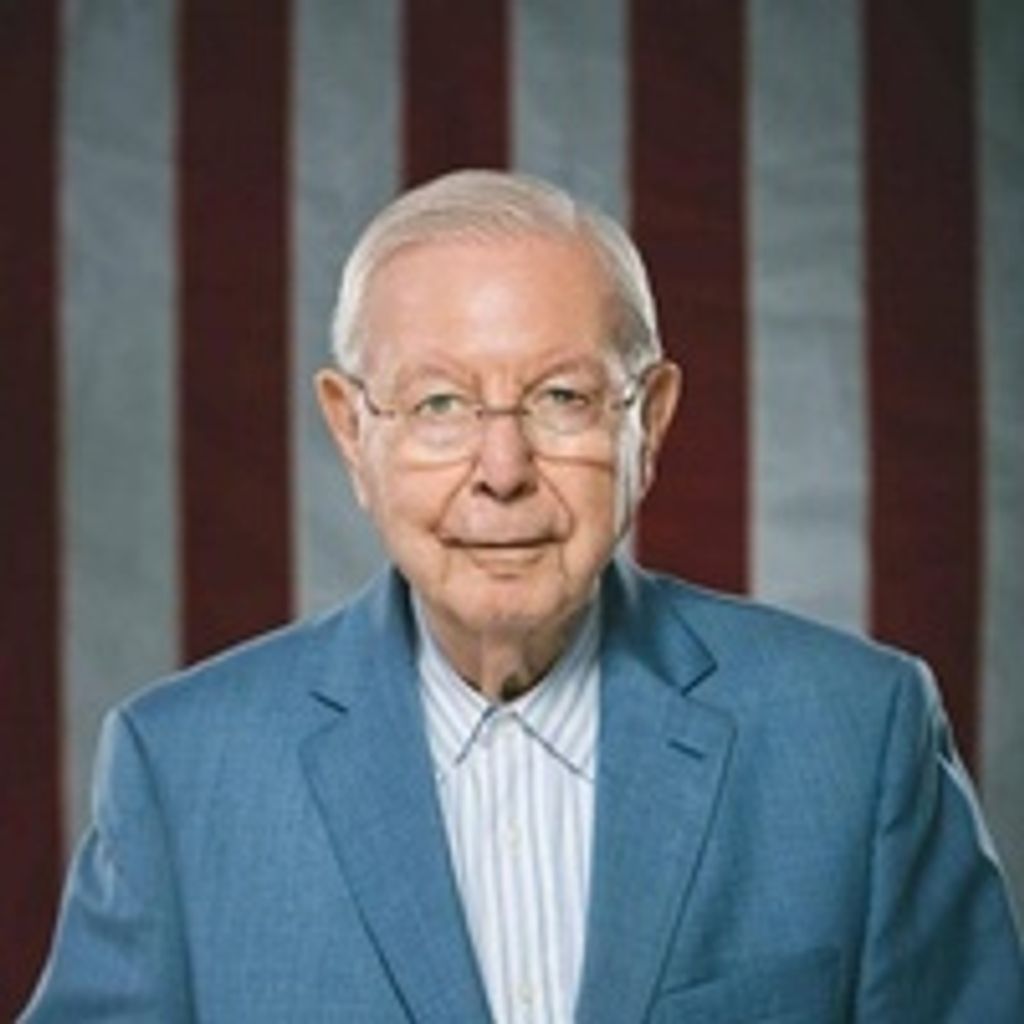
Renberg
Nov 30, 1920 — Nov 3, 2018
Kenneth "Ken" Renberg's Obituary
KENNETH "KEN" RENBERG1920-2018
Kenneth "Ken" Renberg, long-time Tulsa petroleum engineer, philanthropist, survivor of the Allied Forces' June 1944 D-Day invasion of World War II, and holder of the Purple Heart for wounds received in France about seven weeks later, died on Saturday, November 3, four weeks short of his 98th birthday, at Tulsa's Montereau retirement community.
He is survived by his only sibling, Werner Renberg of Chappaqua, N.Y; grandchildren, Geoff Renberg of Tulsa (fiancée Samantha Crosson), Ross Renberg of Salt Lake City, and Shelby Renberg of Oklahoma City; daughter-in-law, Janet Renberg; step-children, Sandra Singer Anderson of Orinda, Cal., George Singer of Tulsa, Mark Singer of New York City, and Stephen Singer of Sebastopol, Cal.; spouses of step-children, David Anderson of Orinda, Michel Boynton of Sebastopol, and Don Simkin of Youngsville, N.Y; nephews, Dan H. Renberg of Bethesda, Maryland, and Gil H. Renberg of Lincoln, Nebraska; second cousins, John W. Clayman and Jerry Herzberg of Tulsa; and devoted caregivers, Georgia Magers and Kim Nolte of Tulsa. Greg Renberg, his only son; Lillian (Bauer) Renberg, his first wife; Marjorie "Marge" Singer, his second wife; and Ellen Singer, step-daughter, predeceased him in 2008, 2001, 2012, and 2013, respectively.
Born Günter Renberg on November 30, 1920 to Anna and Herman Renberg in Delmenhorst, a city in Northwest Germany, he immigrated to the United States in June 1937, leaving behind his parents and brother, because Jewish males were unsafe under the Nazi regime. Invited by his father's sister, Ina Herzberg, and her husband Abraham, and son Leroy, he came to Enid, where he finished high school in 1939.
Renberg's departure from Nazi Germany came four years after Chancellor Adolf Hitler had taken power and ordered the boycott of stores owned by Jews in 1933, during which Renberg witnessed his father being forced to close his bicycle and sewing machine store.
Renberg was safely living in Enid when Nazis went on a rampage in November 1938 during Kristallnacht, destroying synagogues, wrecking Jewish businesses, and arresting thousands of Jewish men and boys, including his father, who was taken by two Gestapo agents before his mother's and brother's eyes, and sent to Sachsenhausen concentration camp near Berlin.
Assured of release by the Gestapo if he would leave Germany, and enabled by the Herzbergs to immigrate to the U.S., Renberg's father, mother, and brother soon followed, settling in Tulsa.
Within months of his graduation, Germany invaded Poland, and Renberg, sensing that the country would be drawn into war - and eager to "get back at Hitler" - enlisted in the Oklahoma National Guard's 45th Division, but he had to resign in mid-1940 after Leroy died to help run his uncle's department store. "I joined," he told the Tulsa World in 2015, "to get even with Hitler. I am Jewish and Hitler claimed we were not Germans. I came from a family that had lived in Germany for many centuries."
Renberg soon was back in uniform when Pres. Franklin D. Roosevelt mobilized the 45th. He was promoted to sergeant before his 21st birthday, though not yet a U.S. citizen. With war having broken out, he successfully applied to Officer Candidate School, starting in November 1942, and graduated the following February as a second lieutenant.
After additional training to become a prisoner-of-war interrogator, Renberg was deployed to England to prepare for the invasion of Nazi-occupied France with the 1st Infantry Division. D-Day found Renberg on a landing craft approaching Omaha Beach but not landing: since the German guns were causing high casualties, the sailor handling his craft reversed the boat after a shell landed in front of it. The craft spent the rest of that day and night on the water – with Renberg and his comrades able to watch history unfold before their eyes – and proceeded to land the next morning. Renberg promptly set up an interrogation center and "soon got my first German prisoners," as he later recalled.
After the breakout at Saint-Lô seven weeks later, German shelling of his interrogation station "in a clump of woods" killed Renberg's sergeant and shrapnel hit his right shoulder, earning him the Purple Heart and promotion to first lieutenant. Sent to a hospital in England for medical care, he eventually returned to the European continent for the rest of the war with the 102nd Infantry Division, commanding a P.O.W. camp after its conclusion.
Back in the U.S., he settled in Tulsa, attended the University of Tulsa for a degree in petroleum engineering and joined the petroleum engineering firm of Keplinger & Wanenmacher. In 1959, he left to join Lee Keeling, a K&W associate who had left that firm in 1957, to start Lee Keeling and Associates, Inc. Renberg retired in 2011.
Donations in memory of Kenneth Renberg may be given to the veterans' charity of one's choice or to the Sherwin Miller Museum of Jewish Art in Tulsa.
Graveside Services will be Tuesday, November 6th, 11:00 a.m., at Rose Hill Memorial Park Cemetery, in Tulsa.
Fitzgerald Ivy Chapel, 918-585-1151
Kenneth "Ken" Renberg, long-time Tulsa petroleum engineer, philanthropist, survivor of the Allied Forces' June 1944 D-Day invasion of World War II, and holder of the Purple Heart for wounds received in France about seven weeks later, died on Saturday, November 3, four weeks short of his 98th birthday, at Tulsa's Montereau retirement community.
He is survived by his only sibling, Werner Renberg of Chappaqua, N.Y; grandchildren, Geoff Renberg of Tulsa (fiancée Samantha Crosson), Ross Renberg of Salt Lake City, and Shelby Renberg of Oklahoma City; daughter-in-law, Janet Renberg; step-children, Sandra Singer Anderson of Orinda, Cal., George Singer of Tulsa, Mark Singer of New York City, and Stephen Singer of Sebastopol, Cal.; spouses of step-children, David Anderson of Orinda, Michel Boynton of Sebastopol, and Don Simkin of Youngsville, N.Y; nephews, Dan H. Renberg of Bethesda, Maryland, and Gil H. Renberg of Lincoln, Nebraska; second cousins, John W. Clayman and Jerry Herzberg of Tulsa; and devoted caregivers, Georgia Magers and Kim Nolte of Tulsa. Greg Renberg, his only son; Lillian (Bauer) Renberg, his first wife; Marjorie "Marge" Singer, his second wife; and Ellen Singer, step-daughter, predeceased him in 2008, 2001, 2012, and 2013, respectively.
Born Günter Renberg on November 30, 1920 to Anna and Herman Renberg in Delmenhorst, a city in Northwest Germany, he immigrated to the United States in June 1937, leaving behind his parents and brother, because Jewish males were unsafe under the Nazi regime. Invited by his father's sister, Ina Herzberg, and her husband Abraham, and son Leroy, he came to Enid, where he finished high school in 1939.
Renberg's departure from Nazi Germany came four years after Chancellor Adolf Hitler had taken power and ordered the boycott of stores owned by Jews in 1933, during which Renberg witnessed his father being forced to close his bicycle and sewing machine store.
Renberg was safely living in Enid when Nazis went on a rampage in November 1938 during Kristallnacht, destroying synagogues, wrecking Jewish businesses, and arresting thousands of Jewish men and boys, including his father, who was taken by two Gestapo agents before his mother's and brother's eyes, and sent to Sachsenhausen concentration camp near Berlin.
Assured of release by the Gestapo if he would leave Germany, and enabled by the Herzbergs to immigrate to the U.S., Renberg's father, mother, and brother soon followed, settling in Tulsa.
Within months of his graduation, Germany invaded Poland, and Renberg, sensing that the country would be drawn into war - and eager to "get back at Hitler" - enlisted in the Oklahoma National Guard's 45th Division, but he had to resign in mid-1940 after Leroy died to help run his uncle's department store. "I joined," he told the Tulsa World in 2015, "to get even with Hitler. I am Jewish and Hitler claimed we were not Germans. I came from a family that had lived in Germany for many centuries."
Renberg soon was back in uniform when Pres. Franklin D. Roosevelt mobilized the 45th. He was promoted to sergeant before his 21st birthday, though not yet a U.S. citizen. With war having broken out, he successfully applied to Officer Candidate School, starting in November 1942, and graduated the following February as a second lieutenant.
After additional training to become a prisoner-of-war interrogator, Renberg was deployed to England to prepare for the invasion of Nazi-occupied France with the 1st Infantry Division. D-Day found Renberg on a landing craft approaching Omaha Beach but not landing: since the German guns were causing high casualties, the sailor handling his craft reversed the boat after a shell landed in front of it. The craft spent the rest of that day and night on the water – with Renberg and his comrades able to watch history unfold before their eyes – and proceeded to land the next morning. Renberg promptly set up an interrogation center and "soon got my first German prisoners," as he later recalled.
After the breakout at Saint-Lô seven weeks later, German shelling of his interrogation station "in a clump of woods" killed Renberg's sergeant and shrapnel hit his right shoulder, earning him the Purple Heart and promotion to first lieutenant. Sent to a hospital in England for medical care, he eventually returned to the European continent for the rest of the war with the 102nd Infantry Division, commanding a P.O.W. camp after its conclusion.
Back in the U.S., he settled in Tulsa, attended the University of Tulsa for a degree in petroleum engineering and joined the petroleum engineering firm of Keplinger & Wanenmacher. In 1959, he left to join Lee Keeling, a K&W associate who had left that firm in 1957, to start Lee Keeling and Associates, Inc. Renberg retired in 2011.
Donations in memory of Kenneth Renberg may be given to the veterans' charity of one's choice or to the Sherwin Miller Museum of Jewish Art in Tulsa.
Graveside Services will be Tuesday, November 6th, 11:00 a.m., at Rose Hill Memorial Park Cemetery, in Tulsa.
Fitzgerald Ivy Chapel, 918-585-1151
To send flowers or plant a memorial tree in memory, please visit our flower store.
Kenneth "Ken" Renberg's Guestbook
This site is protected by reCAPTCHA and the
Google Privacy Policy and Terms of Service apply.
Service map data © OpenStreetMap contributors