
Share Leo Francis Haas, Jr.'s obituary with others.
Invite friends and family to read the obituary and add memories.
Stay updated
We'll notify you when service details or new memories are added.
You're now following this obituary
We'll email you when there are updates.
Select your format and elements to print

IN LOVING MEMORY OF Leo Francis Haas, Jr.
Leo Francis
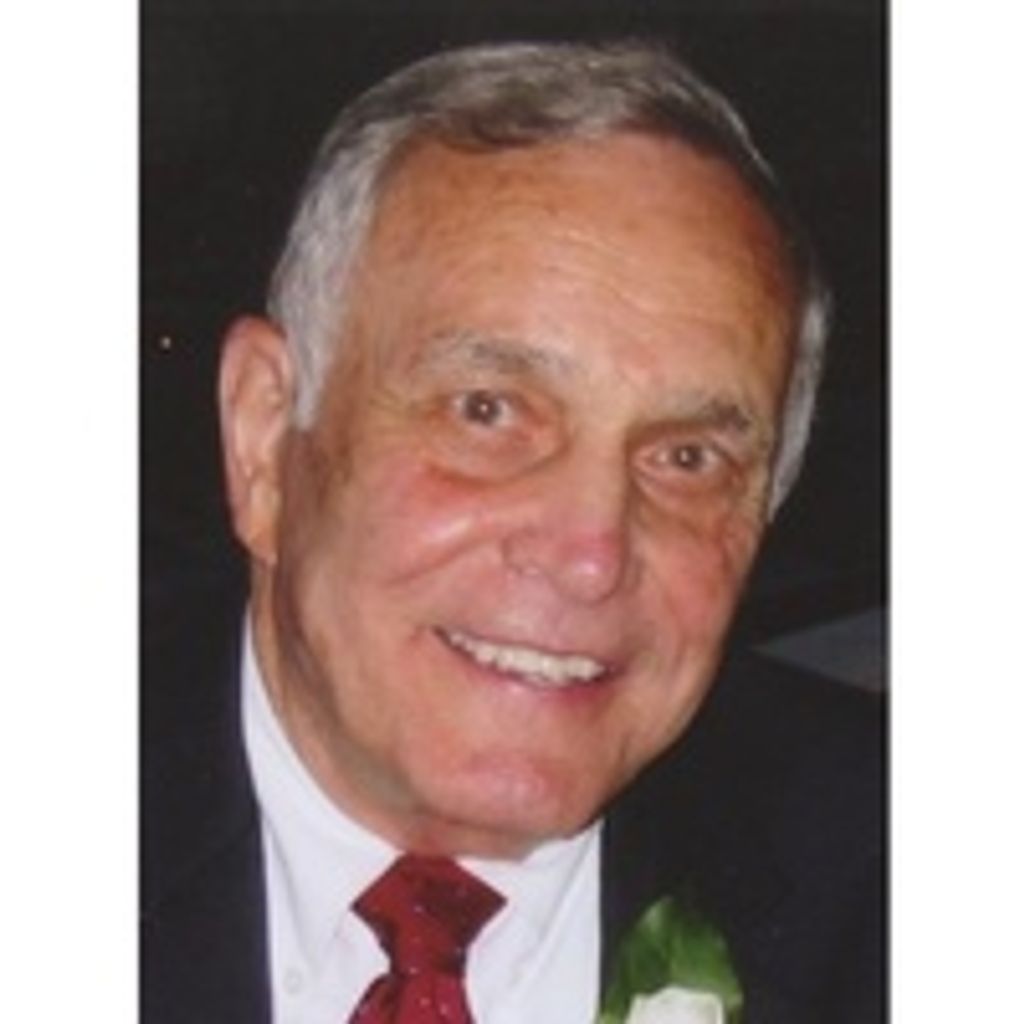
Haas, Jr.
Sep 25, 1923 — Nov 9, 2017
Leo Francis Haas, Jr.'s Obituary
Leo Francis Haas, Jr. passed away Thursday, November 9th, 2017. Leo was born to Leo and Mary Dimple Haas in Muskogee OK, September 25, 1923. Leo's family included two beautiful sisters - Patricia and Mary Lou. Life in those days was lived simply. Money and material things were hard to come by. A cookie for each child was a weekly extravagance. But they lived happily and they grew, in years and in character.
At age six, Leo came down with malaria after visiting family in New Orleans. He was out of school for over a year and his doctor told his parents to prepare for the worst, but he survived. After that, he had an unparalleled immune system for the rest of his life and over the years grew into a superior athlete. Leo played football at Holy Family School in Tulsa. He was an all-city tailback and very fast. Just as World War II broke out, he was offered and accepted a full 4-year scholarship to play football for Henry Frnka at Tulsa University. Leo was very proud to have been a member of that team, and made lifelong friendships. He always enjoyed saying he was the fastest man on the team.
As his first football season was winding down, Leo decided that he wanted to become a marine pilot and was therefore joining the military. His mother was very afraid, and that broke his heart. Coach Frnka was very proud of him and wished him well. He went into downtown Tulsa to the recruiting office and they laughed at him. " …you can't do that son! ". But he was determined. His father gave him $15.00 and some change, and Leo hitchhiked to Fort Worth. When he told the Navy recruiters what he wanted to do, he received the same treatment he got at the Tulsa recruiting office. His temper erupted and, after a short period of time, he signed up for the Navy. He called his mother and told her he was in the Navy - it was official. Again, his mom understood, but for a period of time, she was inconsolable. Within months, he was off to his training.
Leo spent several years in many locations with ground training and flight training. His flight trainers were impressed, and each time there were "cuts", he survived to the next round. He flew many different types of aircraft. His flight trainers were impressed with his ability to slide a Stearman left or right and come straight at landing. He liked to buzz cattle over Kansas and Oklahoma, not making great friends with the ranchers. He excelled during night and rough weather training. He was the best in his group during nighttime carrier landings. He admits he was not sure he knew what he was doing. Eventually, he made his mother and father proud when he got his wings in Pensacola, Florida. "Pop", his father, was bursting with pride.
Prior to embarking on his military career, he had met Vivian Funk, his future wife, at Holy Family high school. They married in Jacksonville, Florida with one witness and his mother and sister in attendance. During their 3-day "honeymoon", he was asked to report to his base's commanding officer. There, he learned he was being reassigned to a Navy Air Station in California and to report there in 14 days. Up until then, he had assumed he would be flying fighters in the European theater. He eventually took a long train ride to the west coast with his new wife and his mother. He learned he would be a pilot in the Navy's version of a B-24. It had a 12-man crew, 6 gun turrets, and a single tail instead of the normal B-24 2-tail configuration. And, it had a significant bomb-bay. Leo later described it as a city bus with wings. Gone were his days of buzzing cattle. When he made his late-night departure to Hawaii and points west, he left a very tearful wife and mother behind. He later said his mom was devastated and thought that was the last time she would see him alive. It was very difficult for him to put on a brave face, but he was resolute in his desire to serve and make a difference. He was one of the youngest pilots in the Navy at that time, and by the time he departed, his commander and co-pilot, an older gentleman. with the name "Pop Warren", told Leo he was the best pilot he knew. VPB-109, Leo's squadron, flew one mission every three days. They took off around 4:00 each morning, from bases in Iwo Jima, Okinawa, Tinian, and many others. They flew dead-reckoning 6 hours out, and 6 hours back to the bases, in two-plane pairs. Many of the planes never made it back to base, either because of faulty navigation in bad weather, or gunfire. Leo's squadron lost 52 souls. Pop Warren had a horrible case of malaria. On many missions, Leo would taxi to the takeoff position, turn around, and help Pop out of the plane and ask him to wait in whatever cover they could find. He told Pop he would pick him up after the mission. Great kindness in the fog of war! On missions, they would fly toward the coast of Japan at no more than 200-feet of altitude. Their strafing and bombing runs targeted shipping, rail lines and industrial complexes in and around Japan. Their ship strafing runs were done from 50-feet of altitude, pulling up sharply as they let their bombs drop. Leo said the 50-calibre machine-gun fire from many of the ships was withering. He was surprised each time his plane survived. After completion of one run, they headed out to sea toward their base and were spotted and attacked by squadron of 18 Japanese Zeros. Leo and his partner-plane dropped down to 25-feet altitude so the Zeros could not get under them. For 25 minutes, until the Zeros began running low on fuel and turning back to land, the 2 Navy planes flew in a rolling zig-zag pattern, endured phosphorus bombs, burning wings and devastating machine-gun fire. One plane barely made it back to base - two men seriously wounded. Leo's plane was shot up, and their gunners shot down two Zeros. One other Zero in the fight ended up in the Naval Air Museum in Pensacola, decades later, with a bullet hole in it from Leo's plane.
One night on Okinawa, Leo was the duty officer when a group of Japanese bombers crash landed on his base to destroy squadron planes. Combat that night was hand-to-hand with small arms. There were many confirmed casualties.
Leo was selected to escort Japanese officers and dignitaries in their planes to the Japanese surrender signing at war's end on the USS Missouri. At that point, it would be months before he returned to Tulsa. Once back in Tulsa, he and Vivian started their family and lived in Tulsa's Veterans Housing complex, just west of the armory on the fairgrounds complex.
He completed his degree at TU, and went to work for Carter Oil Company. He made many more friends and friend networks. He eventually made his way into commercial real estate and ran Leo Haas Inc. for decades. Again, like Will Rogers in reverse, he never met anyone who did not like him!
Leo and Vivian had a lifelong passion for TU football and basketball. They enjoyed skiing, tennis, their many puppies and kitties, and riding their Harley. They maintained enduring friendships with Leo's band of brothers in his annual WW-II bomber squadron reunions. They were active member of the parishes of Holy Family, the Church of the Madalene, St. Pius X and Christ the King in Tulsa. Leo is survived by his son, Leo F. Haas III and his wife Linda, of Tulsa; his daughter Charlotte Lazar of Tulsa; his daughter Suzanne Adair and her husband Mike Adair, of Sapulpa; and his daughter Sheri Viola and her husband Mike Viola, of Palm Beach Gardens, FL. Leo and Vivian's grandchildren and great grandchildren brought enormous joy into their lives. They are: Lori Bundy and her husband Troy, of Tulsa, and their children, Emily and Haley; Jeannie Ross and her husband Bret, of Broken Arrow, and their children, Conner and Allyson; Susan Jinright and her husband David, of Austin, TX, and their daughter Evie; Lance Spellman and his wife Marla, of Dallas, TX, and their children, Lauren and Derek; Kristi Miers and her husband Sheppard Forrest Miers, III, of Tulsa, and their children, Sheppard IV, Vivian, and Carter Haas Miers; Cody Williams, of Chicago, IL; Shannon Williams, of Chicago, IL; and Amanda Viola, of Palm Beach Gardens, FL. Leo was preceded in death by his parents, Leo and Dimple; his sisters, Patricia and Mary Lou; and his grandchild, David John Spellman. In addition to his family, he leaves behind dear friends Nancy Farmer, Bob Grant, Reece Morrel, and his cousin Hank Braden.
Leo's viewing will be Tuesday, November 14th, from 12:00PM until 5:00PM, at Fitzgerald's Ivy Chapel, at 14th and South Boulder, in Tulsa. His rosary will follow at 7:00PM. Mass of Christian Burial will be celebrated on Wednesday, November 15th, 10:00 AM, at Holy Family Cathedral, 8th and South Boulder, in Tulsa.
Burial with full military honors will be on Thursday, November 16th, 10:00AM, at Rose Hill Cemetery on Admiral Place, just west of Yale Ave, in Tulsa.
FITZGERALD IVY CHAPEL, 918-585-1151. www.fitzgeraldivychapel.com
At age six, Leo came down with malaria after visiting family in New Orleans. He was out of school for over a year and his doctor told his parents to prepare for the worst, but he survived. After that, he had an unparalleled immune system for the rest of his life and over the years grew into a superior athlete. Leo played football at Holy Family School in Tulsa. He was an all-city tailback and very fast. Just as World War II broke out, he was offered and accepted a full 4-year scholarship to play football for Henry Frnka at Tulsa University. Leo was very proud to have been a member of that team, and made lifelong friendships. He always enjoyed saying he was the fastest man on the team.
As his first football season was winding down, Leo decided that he wanted to become a marine pilot and was therefore joining the military. His mother was very afraid, and that broke his heart. Coach Frnka was very proud of him and wished him well. He went into downtown Tulsa to the recruiting office and they laughed at him. " …you can't do that son! ". But he was determined. His father gave him $15.00 and some change, and Leo hitchhiked to Fort Worth. When he told the Navy recruiters what he wanted to do, he received the same treatment he got at the Tulsa recruiting office. His temper erupted and, after a short period of time, he signed up for the Navy. He called his mother and told her he was in the Navy - it was official. Again, his mom understood, but for a period of time, she was inconsolable. Within months, he was off to his training.
Leo spent several years in many locations with ground training and flight training. His flight trainers were impressed, and each time there were "cuts", he survived to the next round. He flew many different types of aircraft. His flight trainers were impressed with his ability to slide a Stearman left or right and come straight at landing. He liked to buzz cattle over Kansas and Oklahoma, not making great friends with the ranchers. He excelled during night and rough weather training. He was the best in his group during nighttime carrier landings. He admits he was not sure he knew what he was doing. Eventually, he made his mother and father proud when he got his wings in Pensacola, Florida. "Pop", his father, was bursting with pride.
Prior to embarking on his military career, he had met Vivian Funk, his future wife, at Holy Family high school. They married in Jacksonville, Florida with one witness and his mother and sister in attendance. During their 3-day "honeymoon", he was asked to report to his base's commanding officer. There, he learned he was being reassigned to a Navy Air Station in California and to report there in 14 days. Up until then, he had assumed he would be flying fighters in the European theater. He eventually took a long train ride to the west coast with his new wife and his mother. He learned he would be a pilot in the Navy's version of a B-24. It had a 12-man crew, 6 gun turrets, and a single tail instead of the normal B-24 2-tail configuration. And, it had a significant bomb-bay. Leo later described it as a city bus with wings. Gone were his days of buzzing cattle. When he made his late-night departure to Hawaii and points west, he left a very tearful wife and mother behind. He later said his mom was devastated and thought that was the last time she would see him alive. It was very difficult for him to put on a brave face, but he was resolute in his desire to serve and make a difference. He was one of the youngest pilots in the Navy at that time, and by the time he departed, his commander and co-pilot, an older gentleman. with the name "Pop Warren", told Leo he was the best pilot he knew. VPB-109, Leo's squadron, flew one mission every three days. They took off around 4:00 each morning, from bases in Iwo Jima, Okinawa, Tinian, and many others. They flew dead-reckoning 6 hours out, and 6 hours back to the bases, in two-plane pairs. Many of the planes never made it back to base, either because of faulty navigation in bad weather, or gunfire. Leo's squadron lost 52 souls. Pop Warren had a horrible case of malaria. On many missions, Leo would taxi to the takeoff position, turn around, and help Pop out of the plane and ask him to wait in whatever cover they could find. He told Pop he would pick him up after the mission. Great kindness in the fog of war! On missions, they would fly toward the coast of Japan at no more than 200-feet of altitude. Their strafing and bombing runs targeted shipping, rail lines and industrial complexes in and around Japan. Their ship strafing runs were done from 50-feet of altitude, pulling up sharply as they let their bombs drop. Leo said the 50-calibre machine-gun fire from many of the ships was withering. He was surprised each time his plane survived. After completion of one run, they headed out to sea toward their base and were spotted and attacked by squadron of 18 Japanese Zeros. Leo and his partner-plane dropped down to 25-feet altitude so the Zeros could not get under them. For 25 minutes, until the Zeros began running low on fuel and turning back to land, the 2 Navy planes flew in a rolling zig-zag pattern, endured phosphorus bombs, burning wings and devastating machine-gun fire. One plane barely made it back to base - two men seriously wounded. Leo's plane was shot up, and their gunners shot down two Zeros. One other Zero in the fight ended up in the Naval Air Museum in Pensacola, decades later, with a bullet hole in it from Leo's plane.
One night on Okinawa, Leo was the duty officer when a group of Japanese bombers crash landed on his base to destroy squadron planes. Combat that night was hand-to-hand with small arms. There were many confirmed casualties.
Leo was selected to escort Japanese officers and dignitaries in their planes to the Japanese surrender signing at war's end on the USS Missouri. At that point, it would be months before he returned to Tulsa. Once back in Tulsa, he and Vivian started their family and lived in Tulsa's Veterans Housing complex, just west of the armory on the fairgrounds complex.
He completed his degree at TU, and went to work for Carter Oil Company. He made many more friends and friend networks. He eventually made his way into commercial real estate and ran Leo Haas Inc. for decades. Again, like Will Rogers in reverse, he never met anyone who did not like him!
Leo and Vivian had a lifelong passion for TU football and basketball. They enjoyed skiing, tennis, their many puppies and kitties, and riding their Harley. They maintained enduring friendships with Leo's band of brothers in his annual WW-II bomber squadron reunions. They were active member of the parishes of Holy Family, the Church of the Madalene, St. Pius X and Christ the King in Tulsa. Leo is survived by his son, Leo F. Haas III and his wife Linda, of Tulsa; his daughter Charlotte Lazar of Tulsa; his daughter Suzanne Adair and her husband Mike Adair, of Sapulpa; and his daughter Sheri Viola and her husband Mike Viola, of Palm Beach Gardens, FL. Leo and Vivian's grandchildren and great grandchildren brought enormous joy into their lives. They are: Lori Bundy and her husband Troy, of Tulsa, and their children, Emily and Haley; Jeannie Ross and her husband Bret, of Broken Arrow, and their children, Conner and Allyson; Susan Jinright and her husband David, of Austin, TX, and their daughter Evie; Lance Spellman and his wife Marla, of Dallas, TX, and their children, Lauren and Derek; Kristi Miers and her husband Sheppard Forrest Miers, III, of Tulsa, and their children, Sheppard IV, Vivian, and Carter Haas Miers; Cody Williams, of Chicago, IL; Shannon Williams, of Chicago, IL; and Amanda Viola, of Palm Beach Gardens, FL. Leo was preceded in death by his parents, Leo and Dimple; his sisters, Patricia and Mary Lou; and his grandchild, David John Spellman. In addition to his family, he leaves behind dear friends Nancy Farmer, Bob Grant, Reece Morrel, and his cousin Hank Braden.
Leo's viewing will be Tuesday, November 14th, from 12:00PM until 5:00PM, at Fitzgerald's Ivy Chapel, at 14th and South Boulder, in Tulsa. His rosary will follow at 7:00PM. Mass of Christian Burial will be celebrated on Wednesday, November 15th, 10:00 AM, at Holy Family Cathedral, 8th and South Boulder, in Tulsa.
Burial with full military honors will be on Thursday, November 16th, 10:00AM, at Rose Hill Cemetery on Admiral Place, just west of Yale Ave, in Tulsa.
FITZGERALD IVY CHAPEL, 918-585-1151. www.fitzgeraldivychapel.com
To send flowers or plant a memorial tree in memory, please visit our flower store.
Leo Francis Haas, Jr.'s Guestbook
This site is protected by reCAPTCHA and the
Google Privacy Policy and Terms of Service apply.
Service map data © OpenStreetMap contributors